

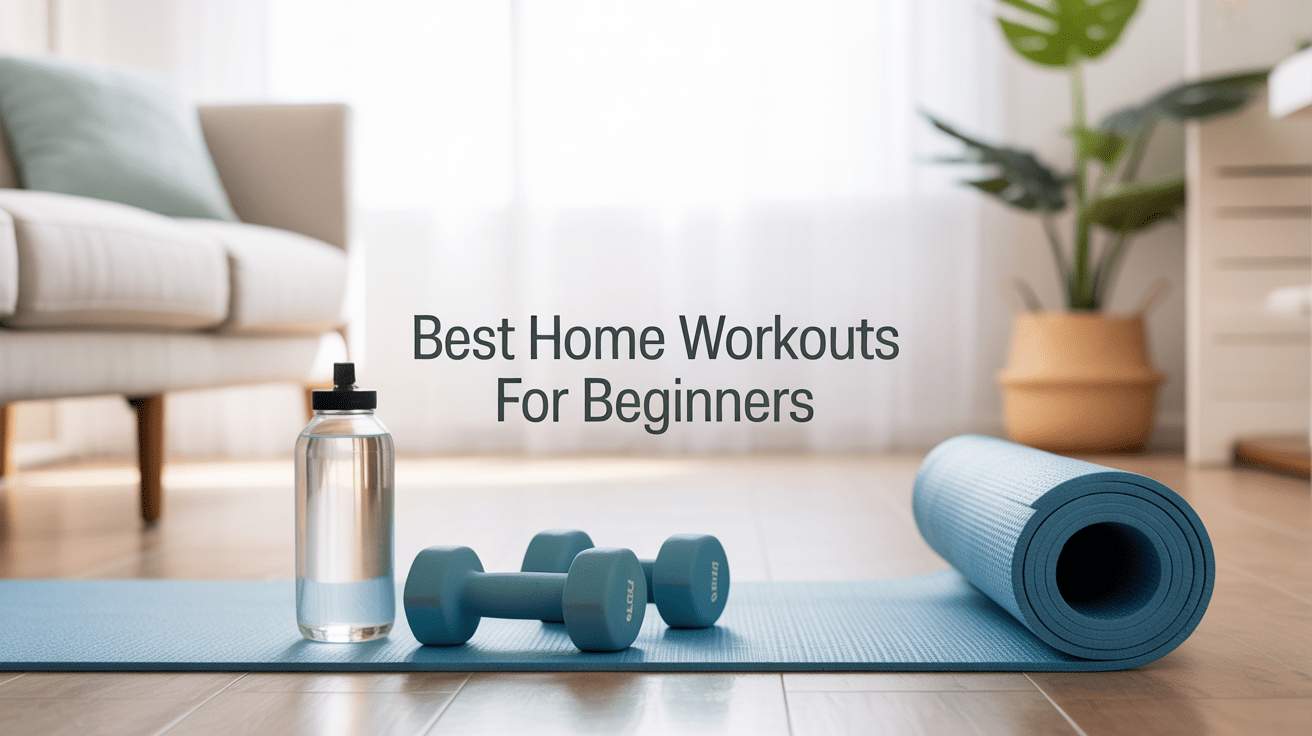
Best Home Workouts for Beginners
Starting a fitness journey doesn’t require a gym membership or expensive equipment. In fact, many of the most effective exercises can be done in the comfort of your home using just your body weight. Whether your goal is to lose weight, tone muscles, or simply build a healthier lifestyle, having a structured plan is the key. This guide will walk you through the best home workouts for beginners, explain how to do them properly, and help you stay motivated in your new routine.
Why Home Workouts Are Perfect for Beginners
Home workouts offer flexibility, simplicity, and privacy—three things that many beginners deeply appreciate. You can exercise anytime, anywhere, without worrying about gym crowds or intimidating equipment. Many people also feel more confident practicing form and technique at home before moving on to more advanced routines.
Additionally, home workouts make it easier to build consistency. You don’t need to travel or schedule around gym hours—you simply show up in your living room and start moving. Studies have shown that even short bouts of exercise performed regularly can significantly improve cardiovascular health, strength, and energy levels (CDC).
How to Start Your Beginner Home Workout Routine
Before jumping into the exercises, make sure to follow a few simple principles that will help you exercise safely and see better results:
1. Warm Up for 5 Minutes
A proper warm-up prepares your muscles, increases your heart rate gradually, and reduces the risk of injury. Try:
-
Arm circles
-
Light jogging in place
-
Hip rotations
-
Marching or stepping side-to-side
2. Focus on Form, Not Speed
Slower, controlled movements help you learn the correct technique and activate the right muscles.
3. Start Slowly and Progress Gradually
Aim for 2–3 sessions per week at first. As your strength grows, increase repetitions or add new exercises.
4. Stay Hydrated and Listen to Your Body
Mild discomfort is normal, but sharp pain is a sign to stop immediately.
The Best Home Workouts for Beginners
Below is a complete list of the most effective and beginner-friendly exercises that can be done at home. These require little to no equipment and work multiple muscle groups at once.
1. Bodyweight Squats
Why It’s Effective:
Squats strengthen your legs, glutes, and core while improving mobility in your hips and knees.
How to Do It:
-
Stand with feet shoulder-width apart.
-
Push your hips back, bending at the knees.
-
Lower until your thighs are parallel to the ground.
-
Keep your chest lifted and weight on your heels.
-
Return to standing.
Beginner Goal:
3 sets of 10–15 reps
2. Wall Push-Ups
Why It’s Great for Beginners:
Push-ups build upper-body strength, but many beginners find floor push-ups too challenging. Wall push-ups are the perfect starting point.
How to Do It:
-
Stand an arm’s length away from a wall.
-
Place hands shoulder-width apart on the wall.
-
Bend elbows and lean your body toward the wall.
-
Push back to the starting position.
Beginner Goal:
3 sets of 10–12 reps
3. Glute Bridges
Benefits:
An excellent exercise for strengthening the back, glutes, and hamstrings while improving posture.
How to Do It:
-
Lie on your back with knees bent.
-
Push through your heels to lift your hips.
-
Squeeze your glutes at the top.
-
Lower slowly.
Beginner Goal:
3 sets of 12–15 reps
4. Standing Marches
Why It Helps:
Perfect for cardiovascular warm-up or low-impact fat-burning workouts. Also great for improving balance.
How to Do It:
-
Stand tall and lift one knee toward your chest.
-
Alternate legs at a comfortable pace.
-
Swing arms naturally as you march.
Beginner Goal:
1–2 minutes
5. Plank (Knee Version)
Core Benefits:
Strengthens your abdominal muscles without putting strain on your lower back.
How to Do It:
-
Begin on hands and knees.
-
Walk your hands forward and lower your hips to form a straight line from shoulders to knees.
-
Hold the position while engaging your core.
Beginner Goal:
20–30 seconds
6. Step-Back Lunges
Why It’s Beginner-Friendly:
Stepping backward instead of forward keeps the movement stable and reduces pressure on the knees.
How to Do It:
-
Stand tall and take a step backward.
-
Lower both knees gently.
-
Push off the back leg to return to standing.
-
Switch legs.
Beginner Goal:
2 sets of 8 reps per leg
7. Arm Raises
Benefits:
Helps tone the shoulders and upper back using only body weight.
How to Do It:
-
Extend arms to your sides.
-
Lift them upward to shoulder height.
-
Lower slowly.
Beginner Goal:
3 sets of 15 reps
A Simple 20-Minute Beginner Home Workout Routine
Here is a balanced routine that includes strength, cardio, and core exercises. You can repeat this 3 times per week.
Warm-Up (3 Minutes)
-
March in place
-
Arm circles
-
Side steps
Workout (15 Minutes)
-
Bodyweight Squats – 12 reps
-
Wall Push-Ups – 10 reps
-
Glute Bridges – 12 reps
-
Standing Marches – 1 minute
-
Step-Back Lunges – 8 reps per side
-
Knee Plank – 20 seconds
Rest 30–60 seconds and repeat once.
Cool Down (2 Minutes)
-
Stretch your legs
-
Roll your shoulders
-
Take slow, deep breaths
How to Stay Motivated as a Beginner
Sticking to a new workout routine can be tough, especially during the first few weeks. Here are some proven strategies to keep you moving:
1. Track Your Progress
Use a simple app or notebook to log your sets and reps. Seeing progress is highly motivating.
2. Set Small, Achievable Goals
Instead of aiming for a perfect body, aim for consistency—for example, “Exercise 3 times this week.”
3. Celebrate Your Improvements
Every extra rep and every longer hold is a win.
4. Follow Professional Guidelines
Reliable resources like Healthline provide detailed fitness guidance for beginners (Healthline Guide).
The best home workouts for beginners are simple, low-impact, and require little to no equipment. By focusing on form, starting slowly, and practicing consistently, you can build strength, boost your energy, and improve your overall fitness from the comfort of your home. What matters most is showing up and giving your best each day.
If you’re ready for the next step, you can gradually introduce light dumbbells, resistance bands, or longer routines. Fitness is a journey—and your first step begins at home.
