


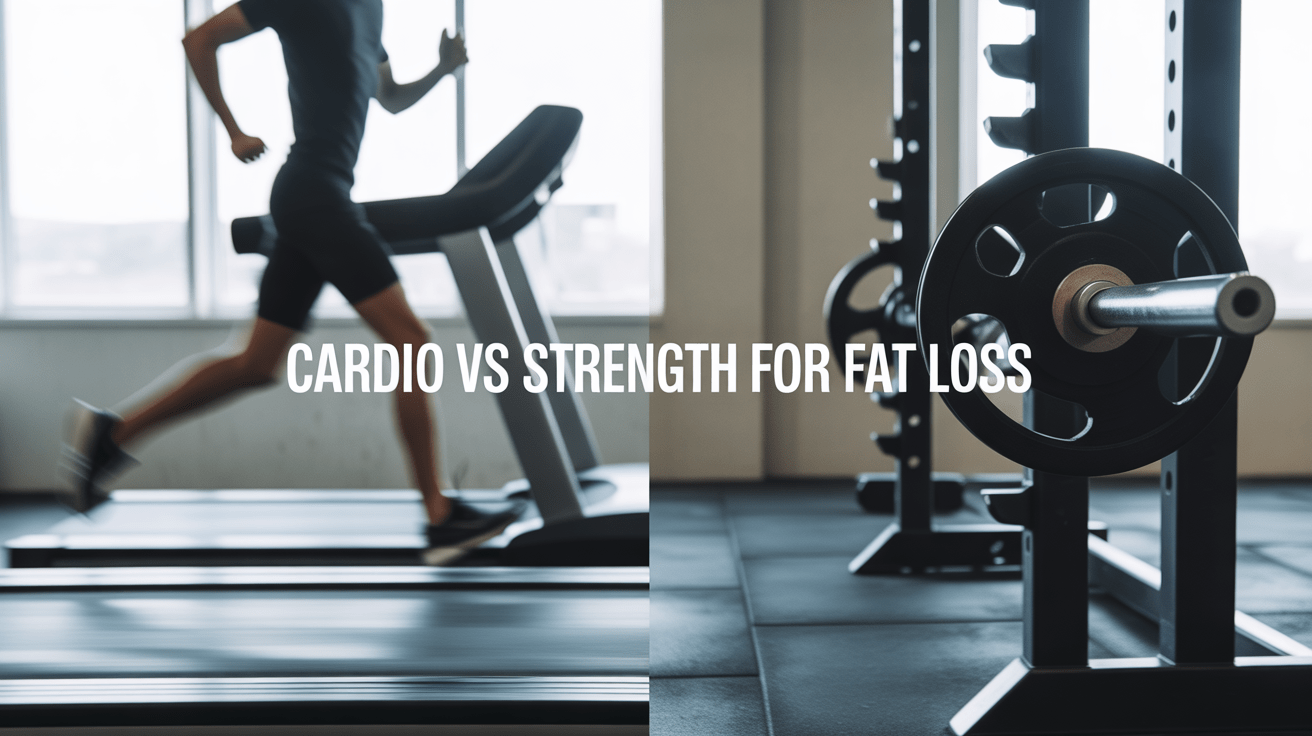
Cardio vs Strength for Fat Loss: Which One Burns More?
Losing fat is one of the most common fitness goals, but the debate remains: Cardio vs Strength for Fat Loss—which is truly better? While both forms of exercise can help improve your health, burn calories, and enhance your physique, they work in different ways. Understanding how each type of training influences fat loss can help you build a smarter workout routine that matches your goals.
In this detailed guide, we’ll compare both training methods, break down how they impact your body, and reveal the best strategy to burn fat efficiently and sustainably.
What Is Cardio?
Cardio, short for cardiovascular exercise, includes movements that increase your heart rate and keep it elevated for a sustained period. Common examples include jogging, cycling, jumping rope, swimming, and HIIT workouts.
How Cardio Burns Fat
Cardio burns calories quickly because it requires continuous movement. When you’re in a caloric deficit, your body turns to stored fat as fuel. Traditional steady-state cardio, like jogging, can burn 300–600 calories per session, depending on intensity and duration.
Popular Types of Cardio
-
Steady-state cardio: Running, brisk walking, or cycling at a moderate pace
-
High-Intensity Interval Training (HIIT): Short bursts of intense effort with rest intervals
-
Low-impact cardio: Elliptical machines, rowing, swimming
Benefits of Cardio for Fat Loss
Cardio offers several advantages when your primary goal is shedding fat:
1. Burns More Calories in a Single Session
If your goal is quick calorie output, cardio tends to outperform strength training in the short term. Activities like running or HIIT can burn large amounts of energy fast.
2. Improves Heart and Lung Health
A strong cardiovascular system improves endurance and helps your body use oxygen more efficiently.
3. Great for Beginners
Cardio is easy to start and requires little to no equipment.
4. Helps Reduce Visceral Fat
Studies show that cardio is effective at reducing belly fat and improving metabolic health.
(Reference: American Heart Association)
https://www.heart.org
Downsides of Cardio for Fat Loss
While beneficial, cardio has limitations:
1. Less Muscle Retention
Cardio alone does not encourage muscle growth. Without strength training, you may lose muscle during a calorie deficit.
2. Plateau Effect
Your body becomes more efficient over time, meaning you burn fewer calories doing the same workout.
3. Time-Consuming
To see significant fat loss, long cardio sessions may be required.
What Is Strength Training?
Strength training involves resistance exercises that challenge your muscles. This can be done using free weights, machines, resistance bands, or bodyweight exercises.
How Strength Training Burns Fat
Strength training may burn fewer calories during the workout compared to cardio, but it provides substantial afterburn effect (EPOC). Your body continues burning calories for up to 48 hours post-workout.
Additionally, building muscle increases your resting metabolic rate, allowing you to burn more calories throughout the day—even while sleeping.
Benefits of Strength Training for Fat Loss
1. Builds Muscle and Increases Metabolism
Every pound of muscle added helps your body burn more calories naturally.
2. Long-Term Fat-Burning Effect
Strength training keeps your metabolism elevated, making it one of the most efficient long-term fat-loss tools.
3. Improves Body Shape and Toning
Strength training reshapes your body by increasing muscle definition, creating a lean and athletic look.
4. Protects Against Injury
Stronger muscles support joints and reduce risk of injury during daily activities or workouts.
5. Helps Maintain Hormonal Balance
Resistance training boosts beneficial hormones like testosterone and growth hormone, which aid fat loss.
(Reference: National Institutes of Health)
https://www.nih.gov
Downsides of Strength Training
1. Requires Proper Form
Strength training can lead to injury if done incorrectly, especially for beginners.
2. Slower Calorie Burn During the Workout
Cardio burns more calories immediately compared to strength training.
3. Needs Equipment for Best Results
Although bodyweight exercises work, weights maximize progress.
Cardio vs Strength for Fat Loss: Which One Wins?
The truth is, both cardio and strength training are effective for fat loss, but they work differently:
| Category | Cardio | Strength |
|---|---|---|
| Calories burned per session | Higher | Moderate |
| Muscle building | Low | High |
| Metabolic boost (afterburn) | Moderate | High |
| Long-term fat loss | Good | Excellent |
| Body toning | Minimal | Strong impact |
| Best for beginners | Yes | Yes, with guidance |
Final Verdict
If your goal is maximum, long-term fat loss, strength training provides the greatest overall benefits. However, adding cardio enhances total calorie burn and improves heart health. The best approach is to combine both.
How to Combine Cardio and Strength for Maximum Fat Loss
To see the fastest and healthiest fat-loss results, use a mixed routine:
1. Strength Training 3–4 Times a Week
Focus on compound exercises:
-
Squats
-
Deadlifts
-
Push-ups
-
Pull-ups
-
Bench press
-
Rows
These work multiple muscle groups at once and trigger higher calorie burn.
2. Cardio 2–3 Times a Week
Choose a mix depending on your schedule and fitness level:
-
20–30 minutes of steady-state cardio
-
10–20 minutes of HIIT
-
Low-impact exercises like cycling or walking
3. Follow a Balanced Diet
Exercise alone won’t produce fat loss. A calorie deficit, enough protein, and whole foods accelerate results.
4. Prioritize Recovery
Sleep and rest days are essential for fat burning and muscle repair.
5. Track Your Progress
Monitor weight, measurements, photos, and performance improvements.
What Beginners Should Do
If you’re just starting:
-
Begin with 2–3 strength sessions and 1–2 cardio sessions per week.
-
Learn proper form or follow guided workout videos.
-
Increase training gradually.
Sample Weekly Workout Plan
Monday: Full-body strength
Tuesday: 20-minute HIIT
Wednesday: Rest or light walk
Thursday: Lower-body strength
Friday: Upper-body strength
Saturday: 30-minute steady-state cardio
Sunday: Rest
This balanced plan fuels fat loss, boosts metabolism, and improves overall fitness.
When comparing Cardio vs Strength for Fat Loss, the ultimate winner depends on your goals, but research and real-world results show:
-
Cardio burns calories fast.
-
Strength training builds muscle, increases metabolism, and boosts long-term fat burning.
-
Combining both delivers the best possible results.
If you want sustainable fat loss, a strong body, and a healthier lifestyle, blend cardio and strength training into your weekly routine. The synergy of both training methods guarantees better energy, improved body composition, and long-lasting results.
