


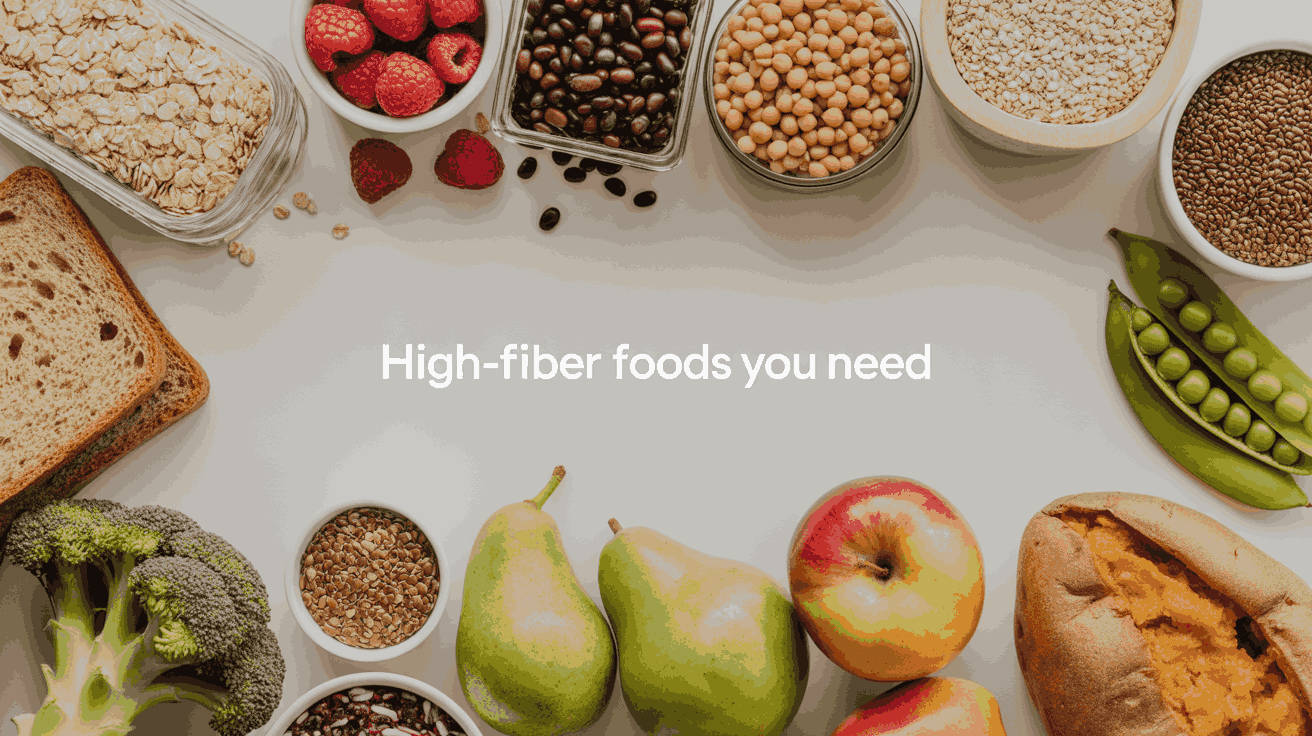
High-Fiber Foods:
Eating enough fiber is one of the simplest and most effective ways to improve your health. Yet many people still fall short of the recommended daily intake. Fiber plays a crucial role in digestion, blood sugar control, heart health, and maintaining a healthy weight. The good news is that fiber is abundant in a wide range of delicious, natural foods.
In this detailed guide, we’ll explore the best high-fiber foods you need in your diet, why they matter, and simple ways to incorporate them into your daily meals. Whether your goal is better digestion, weight loss, or improved overall wellness, adding more fiber-rich foods can make a noticeable difference.
Why Fiber Matters More Than You Think
Fiber is a type of carbohydrate that your body does not digest. Instead, it passes through the digestive system, helping to keep everything running smoothly. There are two main types:
1. Soluble Fiber
This type dissolves in water and forms a gel-like substance in your digestive tract. It helps lower cholesterol, stabilize blood sugar, and increase satiety. Foods like oats, apples, and beans are rich in soluble fiber.
2. Insoluble Fiber
This type doesn’t dissolve in water. It adds bulk to your stool and helps prevent constipation. Foods like whole grains, nuts, and vegetables are excellent sources.
A balance of both types is ideal for maintaining optimal health.
Top High-Fiber Foods You Need
Below is a comprehensive list of high-fiber foods that provide essential nutrients while supporting digestion, weight control, and long-term health.
1. Oats
Oats are one of the most powerful high-fiber foods thanks to beta glucan, a soluble fiber known for lowering LDL (“bad”) cholesterol and supporting heart health. They also help control appetite by slowing digestion.
How to eat them:
Enjoy oatmeal, add oats to smoothies, or use them in homemade granola.
2. Beans and Legumes
Beans are among the richest natural sources of fiber. Black beans, chickpeas, lentils, and kidney beans each contain a whopping 10–16 grams of fiber per serving.
Benefits:
-
Stabilize blood sugar
-
Improve gut health
-
Provide plant-based protein
How to eat them:
Use them in soups, salads, curries, or even roasted as a snack.
3. Chia Seeds
Chia seeds are tiny nutritional powerhouses with nearly 10 grams of fiber per tablespoon. They expand in liquid, forming a gel that helps promote fullness and digestion.
How to eat them:
Add chia seeds to yogurt, smoothies, oatmeal, or make chia pudding for a healthy dessert.
4. Berries
Raspberries, blackberries, and blueberries are naturally fiber-rich while remaining low in calories. Raspberries, in particular, offer about 8 grams of fiber per cup.
Benefits:
-
High in antioxidants
-
Great for skin and inflammation
-
Support healthy gut flora
5. Whole Grains
Products like quinoa, brown rice, barley, and whole-wheat bread provide essential fiber while delivering energy and vitamins.
Why choose whole grains:
Refined grains lose most of their fiber. Whole grains preserve the bran and germ, where the fiber and nutrients live.
6. Nuts and Seeds
Almonds, walnuts, flaxseeds, and sunflower seeds offer a mix of healthy fats and fiber. They’re also perfect as a snack or topping.
How to eat them:
Sprinkle seeds on salads, yogurt, or oatmeal. Use nuts as a crunchy, satisfying snack.
7. Avocados
Avocados are not only creamy and delicious—they’re also loaded with fiber. One medium avocado contains around 10 grams of fiber.
Bonus benefit:
They also provide heart-healthy monounsaturated fats.
8. Leafy Greens and Vegetables
Vegetables like broccoli, Brussels sprouts, carrots, and spinach add fiber while delivering essential vitamins and antioxidants.
Why they matter:
They help maintain a healthy digestive system and provide bulk for easier bowel movements.
9. Apples and Pears
These fruits are excellent sources of soluble fiber, especially when eaten with the skin. They’re also naturally sweet, making them great as a snack or dessert substitute.
How they help:
-
Support digestive health
-
Help regulate blood sugar
-
Improve satiety
10. Sweet Potatoes
Sweet potatoes offer about 4–5 grams of fiber per serving, along with Vitamin A and antioxidants. Their natural sweetness makes them a great alternative to processed carbohydrates.
Health Benefits of Eating More High-Fiber Foods
Adding high-fiber foods to your diet offers a wide range of benefits:
1. Better Digestion
Fiber keeps your digestive tract moving smoothly, reducing constipation, bloating, and discomfort.
2. Weight Control
High-fiber foods digest slowly, keeping you full longer and reducing cravings. This helps with portion control and weight management.
3. Heart Health
Soluble fiber helps lower cholesterol levels, reducing the risk of heart disease.
4. Blood Sugar Control
Fiber slows sugar absorption, which helps prevent spikes in blood glucose. This is especially important for those with diabetes or insulin resistance.
5. Gut Health
Fiber nourishes healthy gut bacteria, which are essential for immunity, digestion, and even mental health.
How Much Fiber Do You Need Daily?
According to most health guidelines, the recommended intake is:
-
Women: 25 grams per day
-
Men: 30–38 grams per day
Most people get far less than this. That’s why adding the high-fiber foods listed above can make such a big impact.
Simple Tips to Add More Fiber to Your Diet
1. Start Your Day With a Fiber-Rich Breakfast
Oatmeal, whole-grain toast, or chia seeds can instantly boost your intake.
2. Add Vegetables to Every Meal
Even small additions—like spinach in eggs or broccoli with dinner—make a difference.
3. Choose Whole Grains
Replace white bread, pasta, and rice with whole-grain versions.
4. Snack on Fruits and Nuts
Apples, pears, almonds, and berries are easy high-fiber snacks.
5. Hydrate Well
Fiber works best when paired with enough water to help move it through the digestive system.
Sample 1-Day High-Fiber Meal Plan
Breakfast
-
Oatmeal with chia seeds and berries
-
Green tea or black coffee
Lunch
-
Quinoa salad with chickpeas, spinach, cucumber, and olive oil
-
Apple with skin
Dinner
-
Grilled chicken or tofu
-
Steamed broccoli and sweet potato
-
Small handful of nuts
Snacks
-
Pear
-
Greek yogurt with flaxseeds
This simple plan can easily provide 30–40 grams of fiber.
Additional Resources for Fiber Education
For more information about fiber and nutrition, check out these helpful resources:
-
Harvard’s guide to fiber benefits:
https://www.health.harvard.edu -
Mayo Clinic’s fiber food list:
https://www.mayoclinic.org
High-fiber foods are essential for optimal health. From supporting digestive function to helping with weight management and heart health, fiber is one nutrient you simply cannot overlook. The good news? Adding fiber to your diet is easy and delicious. By incorporating oats, vegetables, legumes, fruits, and whole grains, you’ll quickly notice improvements in your energy, digestion, and overall well-being.
Making high-fiber foods part of your daily routine is one of the best long-term investments you can make in your health. Start small, stay consistent, and enjoy the benefits.
